

Quick Summary
Fixing skin barrier damage naturally starts with pausing anything that stings, such as scrubs, acids, and retinol, and keeping the routine short and gentle. Then cleanse with a mild, fragrance-free cleanser, hydrate while skin is damp, and seal with a moisturizer containing barrier-friendly oils, ceramides, and fatty acids.
- Stop scrubs, acids, and retinol until stinging and tightness ease.
- Cleanse with lukewarm water and a mild, fragrance-free cleanser, then pat dry.
- Apply humectants like glycerin or hyaluronic acid to damp skin, then seal with moisturizer.
- Choose moisturizers with ceramides, cholesterol, and fatty acids, the closest match to skin's natural lipid mix.
- Protect daily with gentle sunscreen and avoid long hot showers.
Table of Contents
- What to Do When Your Skin Barrier Is Damaged: Five Natural Repair Steps
- How Long Repair Takes and How to Repair Without Products
- Frequently Asked Questions
Signs of a Damaged Skin Barrier and What Causes It
The skin barrier is your outermost layer, keeping water in and irritants out. When it cracks, skin gets dry, red and sensitive. Fixing skin barrier damage naturally starts with spotting the signs and causes.
Common signs include tightness after washing, stinging when applying products, flaking, redness, a rough or dull look, and itching or burning that comes and goes.
- Over-exfoliating with scrubs or strong acids
- Hot water and harsh cleansers that strip oils
- Frequent product changes
- Dry winter air, wind, and sun exposure
- Layering too many actives at once
Dryness is often a symptom of a damaged barrier, not the root problem. Fix the barrier and dryness usually improves.
What to Do When Your Skin Barrier Is Damaged: Five Natural Repair Steps
Start by pausing anything that stings: stop scrubs, acids, and retinol, and keep the routine short and gentle.
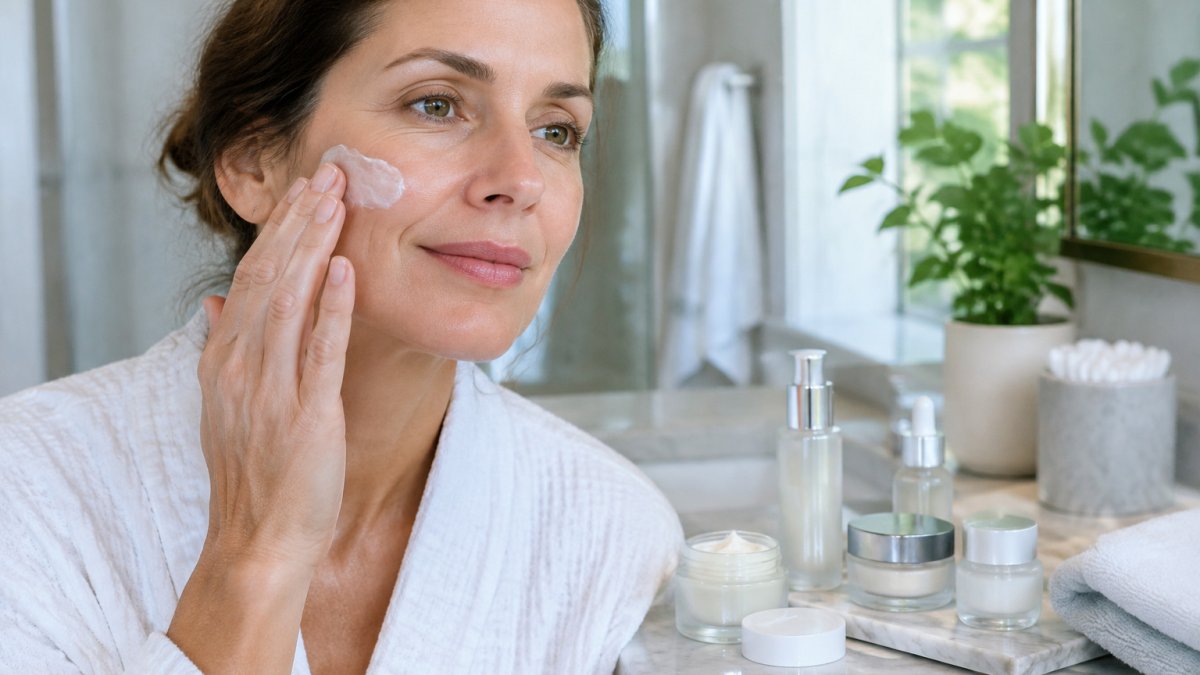
- Cleanse gently. Use lukewarm water and a mild, fragrance-free cleanser, and pat dry. Avoid sulfates high on the ingredient list.
- Apply a hydrating layer while skin is damp. Humectants like glycerin and hyaluronic acid pull water in but need a moisturizer on top to seal it.
- Use a moisturizer with barrier-friendly oils. Jojoba, squalane, and plant oils rebuild the lipid layer; shea butter suits drier patches. Patch test first.
- Look for supportive ingredients. Ceramides and fatty acids help the barrier rebuild; a moisturizer listing ceramides, cholesterol, and fatty acids together is closest to skin's natural lipid mix.
- Protect daily. Use a gentle sunscreen and avoid long hot showers.
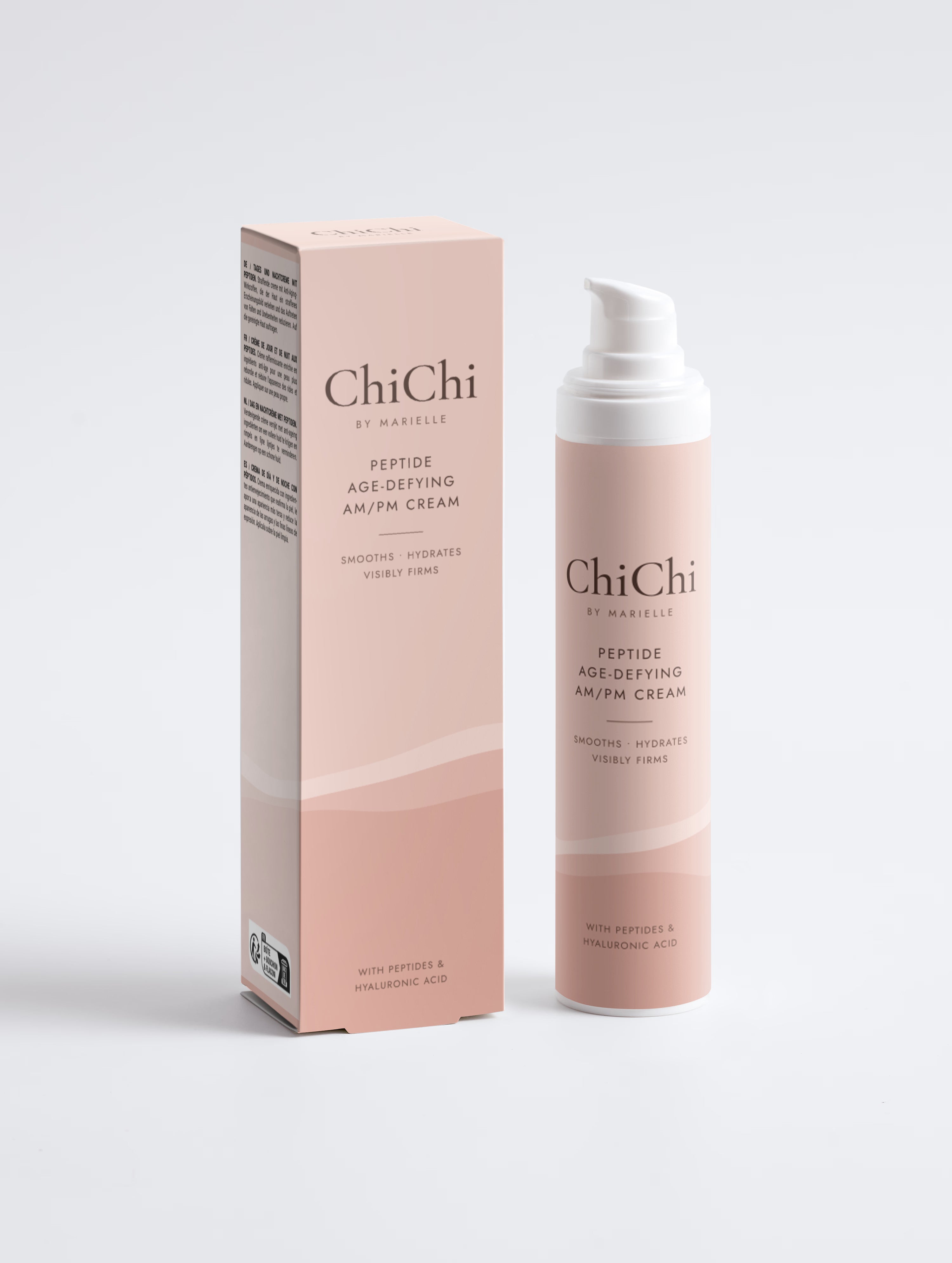
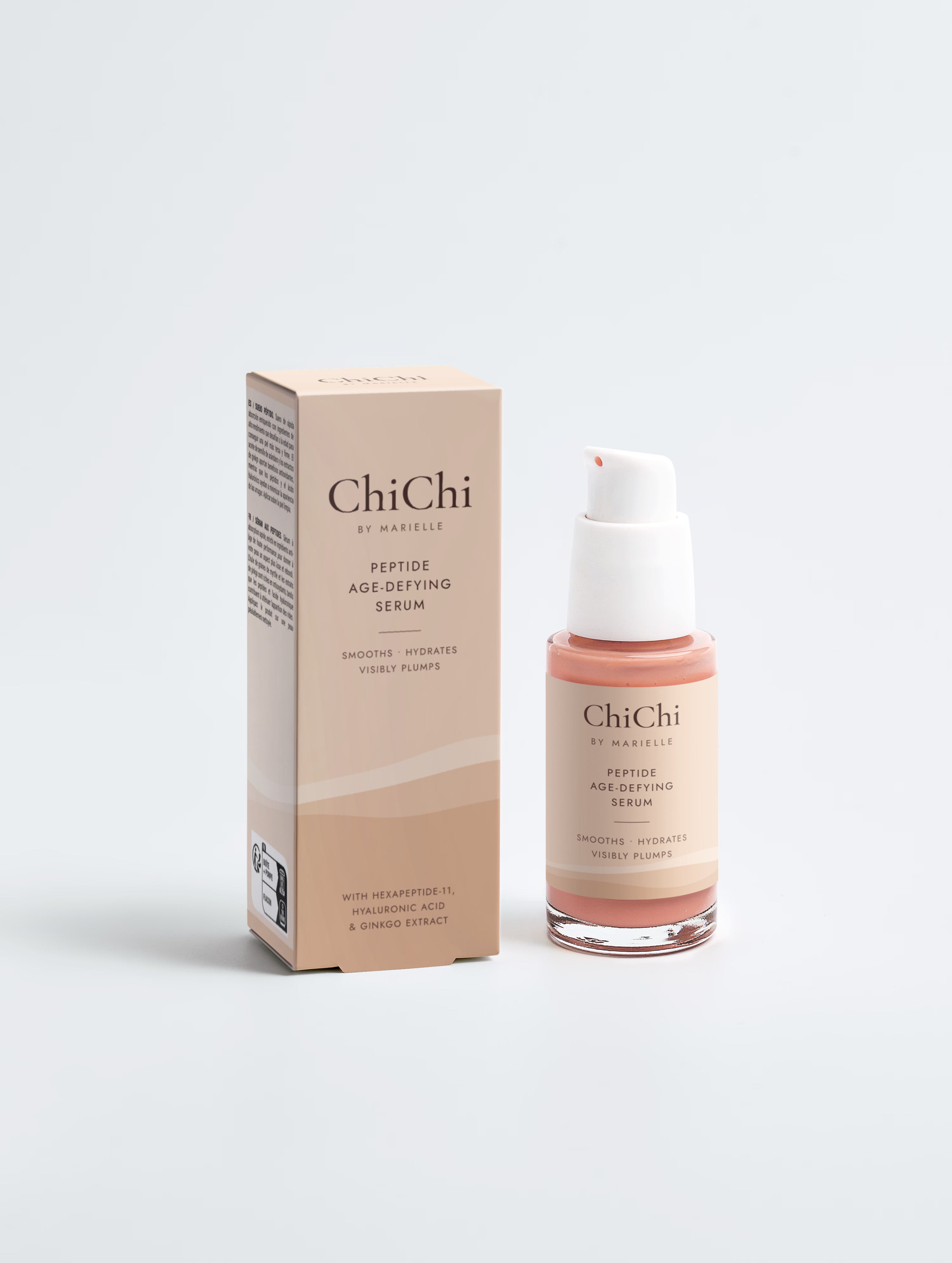
For the moisturizing step, the Peptide Age-Defying AM/PM Cream from ChiChi by Marielle is a day-and-night cream that hydrates and smooths the skin, with peptides and hyaluronic acid. Browse the cream's full details to see how it fits into this routine. The Peptide Age-Defying Serum is a fast-absorbing serum that hydrates and visibly plumps. Patch test any new product first.
A simple sequence: cleanse, apply the hydrating layer to damp skin, seal with moisturizer, and finish with sunscreen in the morning; repeat without sunscreen at night.
Here is a quick summary of the five repair steps and what each one involves.
| Step | What to do | Key detail |
|---|---|---|
| Pause irritants | Stop scrubs, acids, and retinol | Keep the routine short and gentle |
| Cleanse gently | Use lukewarm water and a mild cleanser | Avoid sulfates high on the ingredient list |
| Hydrate while damp | Apply humectants like glycerin or hyaluronic acid | Seal with a moisturizer on top |
| Use barrier-friendly oils | Choose jojoba, squalane, or shea butter | Patch test first |
| Protect daily | Use gentle sunscreen and avoid long hot showers | Sunscreen in the morning |
How Long Repair Takes and How to Repair Without Products
Recovery time depends on how deep the damage went. Stinging and tightness ease first, flaking and roughness follow, and redness fades last. Track whether skin still stings with a simple moisturizer, feels tight an hour after washing, or flakes less week over week.
If stinging, rash, or swelling worsens, stop and see a doctor. Seek medical advice for persistent pain, swelling, cracking that bleeds, signs of infection such as warmth or pus, or symptoms that keep worsening despite a gentle routine.
You can also repair without products by reducing stress on the skin: lukewarm water, good sleep, hydration, and no face touching. A trigger audit helps avoid repeat damage, check whether a new active, cleanser change, seasonal shift, or too-soon reintroduction lines up with symptom onset. Reintroduce one product at a time, a week or more apart.
Recovery isn't one routine for everyone. Acne-prone skin may need a non-comedogenic moisturizer, sensitive skin the shortest ingredient list, eczema-prone skin thicker occlusive layers, and oily skin hydration without heavy oils.
Frequently Asked Questions
How long does it take to repair a damaged skin barrier?
Recovery time varies. Stopping irritants and moisturizing consistently are the main steps, and severely damaged skin can take longer to recover. Recovery depends on how deep the damage goes, how long the irritation lasted, and how consistently you protect the barrier. If redness, swelling, or pain persists beyond that window, or the skin looks infected, see a dermatologist rather than continuing home care alone.
Can you repair a skin barrier without skincare products?
Yes, to a degree. Removing the triggers is the most important step: stop harsh scrubs, hot water, and fragranced products, avoid over-washing, and protect skin from sun and wind. Your skin can begin rebuilding its natural lipids when it is left alone. However, damaged skin usually loses moisture faster than it can replace it, so a simple, gentle moisturizer typically speeds recovery. Keeping products minimal, rather than eliminating them entirely, tends to work best.
What are the signs of a damaged skin barrier?
Common signs include stinging or burning when applying products, tightness after washing, dryness and flaking, redness, and increased sensitivity to products you previously tolerated. Skin may also look dull or feel rough. These symptoms often follow over-exfoliation, harsh cleansers, or environmental exposure. If you notice these signs, pause your active products and simplify your routine before adding anything new.
